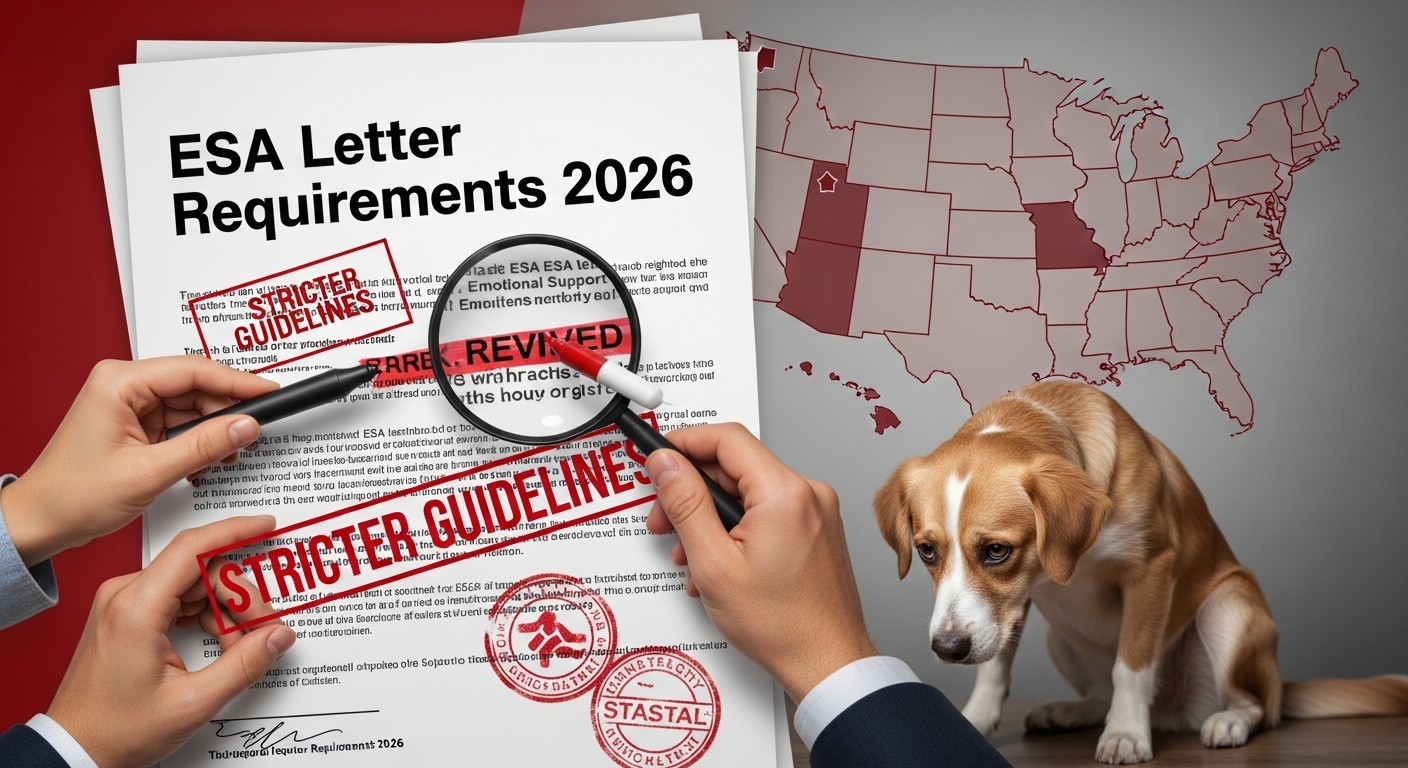
The landscape for emotional support animal documentation is shifting rapidly across the United States. As we move through 2026, a growing number of states are implementing stricter rules for obtaining and validating an esa letter. These changes reflect a broader effort to balance legitimate mental health needs with protections against fraud. If you rely on an emotional support animal letter for housing accommodations, understanding these evolving requirements is essential. This guide explains why states are acting, what the new rules mean for you, and how to ensure your documentation remains valid under current law. You can start by exploring legitimate options for an esa letter for housing to ensure your rights are protected.
The Federal Foundation: FHA Protections and Their Limits
The Fair Housing Act remains the cornerstone of esa letter for housing protections nationwide. Under this federal law, landlords must make reasonable accommodations for tenants with disabilities. This includes allowing emotional support dog letter holders to live with their animals in no-pet housing. However, the FHA does not define specific documentation standards. This gap has led to inconsistent practices and, unfortunately, widespread misuse of ESA claims.
States are now stepping in to clarify what constitutes a legitimate esa letter. They are not removing FHA protections. Instead, they are adding layers of verification to ensure those protections serve people with genuine needs. For example, a valid letter must now come from a licensed mental health professional who has conducted a real clinical evaluation. Generic templates or instant online certificates no longer meet the threshold in many jurisdictions.
Landlords increasingly verify ESA documentation through state licensing boards. They check that the provider holds an active license in the tenant's state. They confirm the letter includes required elements like license number, date of issuance, and a statement linking the animal to the patient's treatment plan. This verification process protects both housing providers and legitimate ESA owners from fraudulent claims that undermine the system.
Key elements of a compliant federal ESA letter include:
- Provider's full name and professional license type
- License number and state of issuance
- Date of issuance and patient confirmation
- Statement of disability-related need for the animal
- Contact information for verification purposes
Why States Are Acting: Fraud Prevention and Consumer Protection
The surge in online ESA certificate mills created a crisis of credibility. Websites offering instant approvals for $50 flooded the market with documents that lacked clinical substance. These operations often used fake letterhead, unverifiable providers, or boilerplate language that failed to meet FHA standards. As a result, landlords grew skeptical of all ESA requests, harming people with legitimate needs.
State legislatures responded by enacting laws that target fraudulent practices while preserving access for qualified individuals. California's AB-468, effective since 2022, serves as a model. It requires a 30-day provider-client relationship before an emotional support animal letter can be issued. This rule ensures evaluations are thorough and clinically justified. Other states have adopted similar measures or are considering them in 2026.
These laws also impose penalties for misrepresentation. Individuals who knowingly submit fake documentation may face fines or civil liability. Businesses that sell fraudulent ESA certificates risk losing their licenses or facing legal action. By raising the stakes for fraud, states aim to restore trust in the ESA accommodation process. This benefits everyone who relies on a legitimate esa letter for housing to live comfortably with their support animal.
Signs of fraudulent ESA documentation often include:
- Instant approval without a clinical evaluation
- Lack of provider license number or state information
- Generic language not specific to the patient's condition
- Prices significantly below market rates for mental health services
- No option for landlord verification via phone or email
Understanding distinguishing real vs fake ESA letter criteria helps you avoid scams. Legitimate services prioritize clinical accuracy over speed. They ensure your documentation stands up to scrutiny during lease applications. This diligence protects your housing stability and legal rights.
Spotlight on State-Level Changes: California, Texas, and Beyond
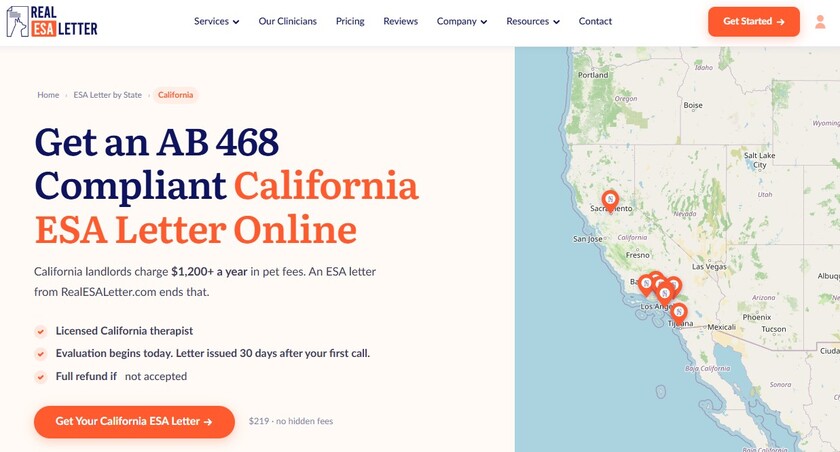
California leads the nation in ESA regulation through AB-468 and the Fair Employment and Housing Act. Under these rules, an esa letter must include the provider's license number, state of licensure, and the date the therapeutic relationship began. Landlords can verify this information through the state's licensing board. For residents seeking compliant documentation, understanding California ESA letter requirements is critical to avoiding rejection.
Texas has also tightened its approach. While it does not mandate a 30-day relationship like California, Texas law requires that ESA letters be issued by providers licensed within the state. Out-of-state telehealth evaluations may not satisfy housing providers if the therapist lacks Texas credentials. This emphasis on in-state licensure is appearing in other regions as well, including Florida, New York, and Illinois.
Several states now require ESA letters to be renewed annually. This ensures the patient's need for an emotional support dog letter remains current. Landlords can request documentation dated within the last 12 months. If your letter is older, you may need to consult your provider again. Planning ahead for renewing your ESA letter before expiration helps maintain uninterrupted housing protections.
State-specific compliance trends in 2026 include:
- Mandatory 30-day provider-client relationship in five states
- In-state licensure requirements for mental health professionals
- Annual renewal mandates for ongoing housing accommodations
- Enhanced penalties for fraudulent documentation submission
- Landlord rights to verify license status through state boards
Geographic relevance matters. A letter valid in Arizona may not meet standards in Massachusetts. Always confirm your state's specific rules before submitting documentation. State-specific pages on realesaletter.com provide updated guidance for all 50 states, helping you navigate local requirements with confidence.
What Tighter Requirements Mean for ESA Owners
Stricter rules create more work for ESA owners, but they also strengthen the value of legitimate documentation. When landlords see a properly formatted esa letter from a verified in-state provider, they are more likely to approve accommodation requests quickly. This reduces delays, stress, and potential conflicts during the leasing process.
However, these changes require proactive steps. You must ensure your mental health professional is licensed in your state. You should confirm your letter includes all legally required elements. And you must keep your documentation current through timely renewals. Skipping any of these steps could result in a denied request, even if your need for an emotional support animal letter is genuine.
The good news is that compliant services exist. Platforms like RealESALetter.com connect you with licensed therapists who understand state-specific rules. They issue letters that meet FHA standards and local regulations. Their process includes verification support if your landlord has questions. This reduces the burden on you while ensuring your esa letter for housing stands up to scrutiny.
Benefits of compliant ESA documentation include:
- Faster landlord approval during application processes
- Protection from pet fees and security deposits
- Exemption from breed or size restrictions in housing
- Reduced risk of legal disputes over accommodation requests
- Peace of mind knowing your rights are legally supported
Proactive management of your documentation prevents housing disruptions. Keep digital and physical copies of your letter accessible. Update your provider if your condition or housing situation changes. This preparation ensures you maintain your rights under the Fair Housing Act throughout your tenancy.
How to Ensure Your ESA Letter Meets 2026 Standards
Start by confirming your provider's credentials. Use your state's licensing board website to verify their license is active and in good standing. A legitimate esa letter will include this license number prominently. If the letter lacks this detail, it may not be accepted.
Next, review the letter's content. It should state that you have a mental or emotional disability recognized in the DSM-5. It must explain how your animal alleviates symptoms of that condition. And it should reference your rights under the Fair Housing Act. Generic language or missing elements can trigger landlord requests for additional proof.
Timing matters too. Many states and landlords require letters issued within the last 12 months. If your documentation is older, schedule a consultation to update it. Understanding how to qualify for an emotional support animal helps you prepare for this process efficiently.
Checklist for 2026 ESA letter compliance:
- Verify provider license is active in your state of residence
- Ensure letter includes license number and issue date
- Confirm letter states disability-related need for the animal
- Check that documentation is dated within the last 12 months
- Save contact information for landlord verification purposes
Finally, know the difference between ESAs and service animals. The ADA does not grant public access rights to emotional support animals. Only dogs trained to perform specific tasks qualify as service animals. Confusing these categories can lead to denied access in public spaces. Learn more about differences between emotional support animals and service animals to avoid misunderstandings.
Frequently Asked Questions
Q1: Do all states require a 30-day relationship before issuing an ESA letter?
A: No. As of 2026, only Arkansas, California, Iowa, Louisiana, and Montana mandate a 30-day provider-client relationship. Other states may have different verification requirements. Always check your state's specific rules before applying.
Q2: Can a landlord reject my ESA letter if it comes from an out-of-state provider?
A: Yes, in many cases. Several states now require that the mental health professional be licensed within the state where the housing is located. An out-of-state letter may not satisfy local verification standards, even if it meets federal FHA guidelines.
Q3: How often do I need to renew my emotional support animal letter?
A: While the FHA does not specify an expiration, many landlords and state laws require documentation dated within the last 12 months. Annual renewal ensures your esa letter remains current and accepted during lease renewals or housing applications.
Q4: What should I do if my landlord questions my ESA letter's validity?
A: Provide your landlord with the therapist's contact information from the letter. They can verify the provider's license through the state board. If needed, reputable services offer landlord verification support to confirm your documentation meets all legal requirements.
Q5: Are online ESA letters still legitimate in 2026?
A: Yes, if issued properly. Online evaluations are legal when conducted by a licensed mental health professional in your state who performs a genuine clinical assessment. Avoid services that promise instant approval without evaluation, as these often produce fraudulent documents that fail verification.
Conclusion
States are tightening esa letter requirements in 2026 to protect legitimate users and curb fraud. These changes emphasize verified providers, current documentation, and state-specific compliance. By understanding the new rules and working with licensed professionals, you can secure an emotional support animal letter that provides reliable housing protections. Stay informed, keep your documentation current, and advocate for your rights under the Fair Housing Act.